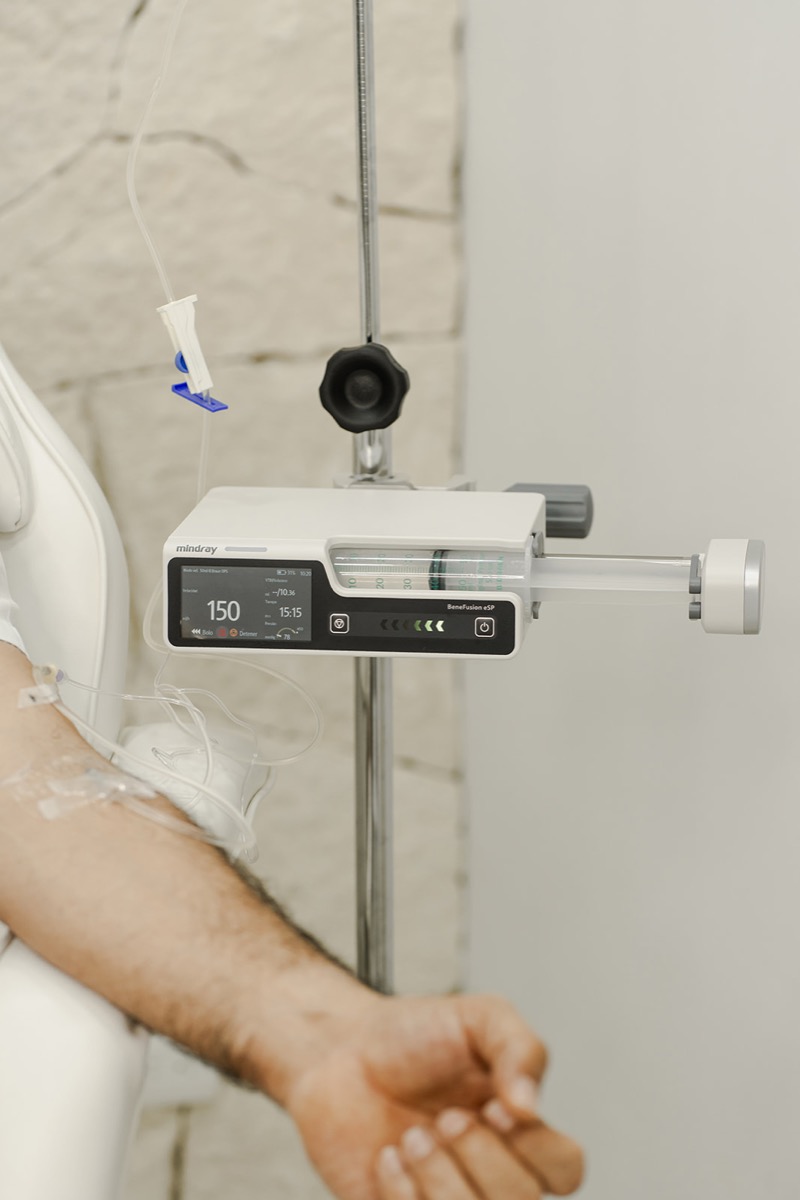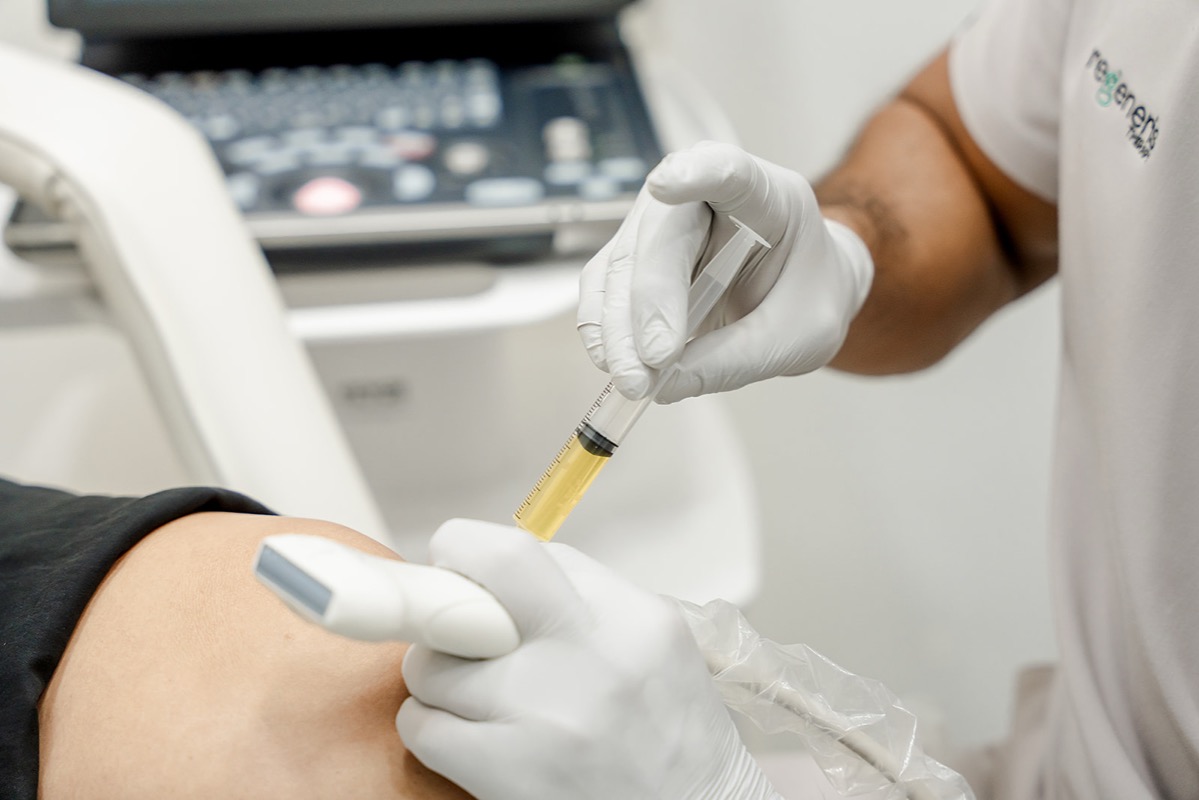


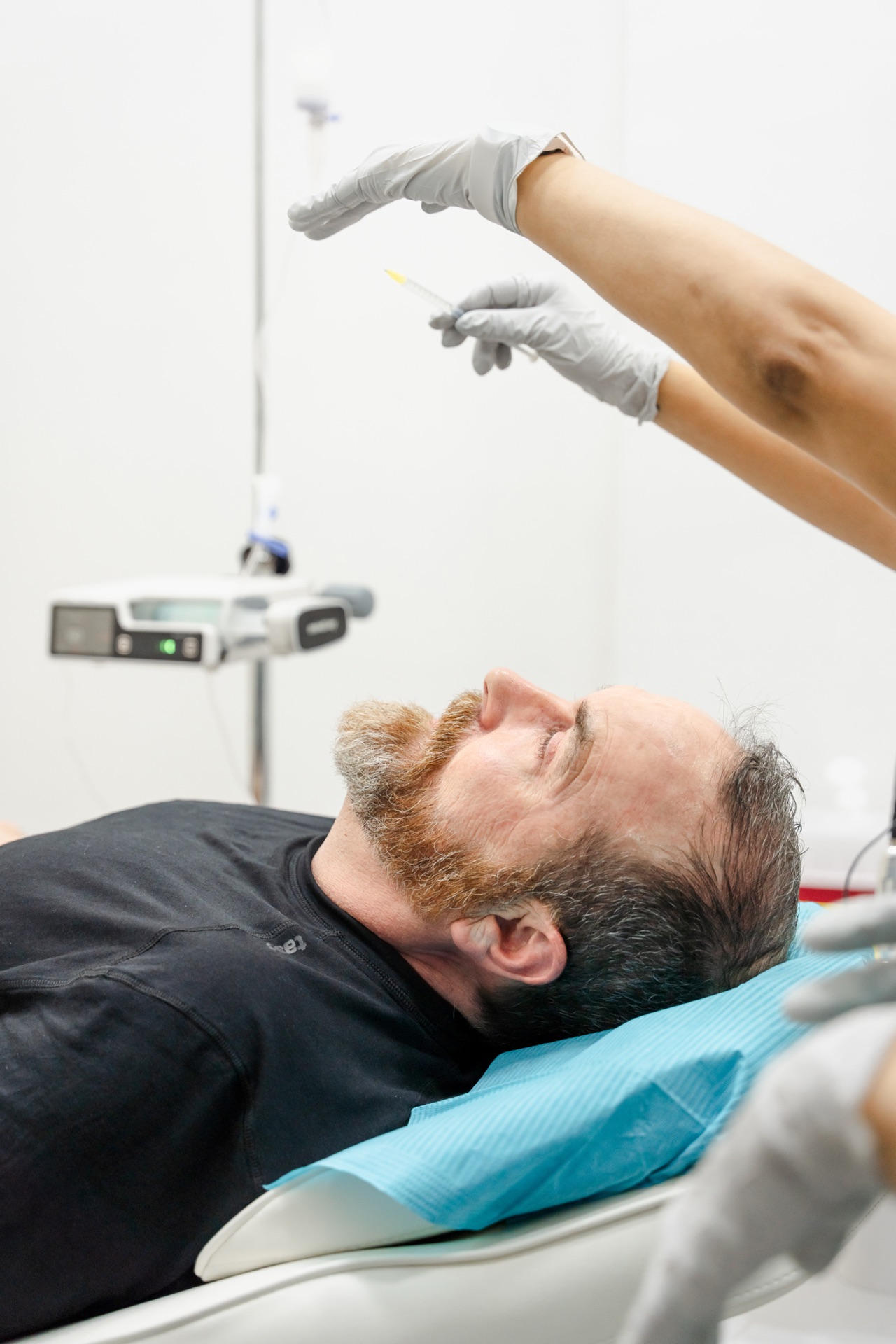
Peptides are short chains of amino acids — generally between 2 and 50 amino acids in length — that act as precise signaling molecules in the body. Hundreds of peptides exist naturally; therapeutic peptide medicine uses synthetic versions of selected peptides to modulate specific physiological pathways: tissue repair, growth hormone release, immune function, cognition, sexual function, and metabolic balance. At Regeneris Therapy we offer peptide protocols under medical supervision only, using compounded products from COFEPRIS-regulated Mexican compounding pharmacies with documented identity, purity, and sterility testing. Therapeutic peptides are not supplements. They are prescription medicines that require an honest medical evaluation, baseline labs, and supervised dosing. Here is what peptides actually are, the categories we offer, why supervision matters, and how the COFEPRIS regulatory framework shapes safe practice in Mexico.
What peptides are: short amino-acid chains as signaling molecules
Every protein in your body is built from amino acids. A long chain (typically 50+ amino acids) is a protein; a short chain (2–50 amino acids) is a peptide. Peptides are the body's natural signaling vocabulary — insulin is a peptide, growth hormone is a peptide, oxytocin is a peptide. Therapeutic peptide medicine uses synthetic versions of carefully selected peptides to influence the same receptors and pathways the body already uses. Because peptides are highly specific to their target receptors, they tend to have cleaner effect profiles than small-molecule drugs that often bind to multiple unintended targets. Some peptides are FDA-approved drugs (semaglutide, tirzepatide, octreotide); others are research-grade peptides used in clinical compounding under physician supervision; many are sold as supplements, often with insufficient quality and unclear regulatory status. We work only with the first two categories. For a broader view of regenerative options, see our stem cells hub.
Categories we offer: regenerative, GH-axis, nootropic, sexual, fat-loss
Our peptide menu groups around five mechanistic categories. Regenerative peptides such as BPC-157 (Body Protection Compound, derived from a gastric protein) and TB-500 (Thymosin Beta-4 fragment) for tissue repair, gut healing, and orthopedic support. Growth hormone secretagogues — CJC-1295 and Ipamorelin combinations, Sermorelin, MK-677 — which stimulate the pituitary's own pulsatile GH release rather than introducing exogenous hormone. Nootropic and neuroprotective peptides such as Selank and Semax for cognitive support, anxiety modulation, and post-viral cognitive recovery (relevant for Long COVID). Sexual wellness peptides — primarily PT-141 (Bremelanotide) for libido and arousal in both men and women, independent of the vascular mechanism that PDE5 inhibitors target (see our erectile dysfunction page). And fat-loss / body recomposition peptides like AOD-9604 and Tesamorelin for visceral fat reduction in metabolically appropriate candidates.

Mechanism by category: precise pathway targeting
Each peptide category works through distinct receptor systems. Regenerative peptides like BPC-157 modulate vascular endothelial growth factor (VEGF) and nitric oxide pathways to accelerate angiogenesis (new blood vessel formation) in injured tissue — the published animal evidence is robust and human clinical evidence is growing for tendon, ligament, and gut applications. Growth hormone secretagogues bind to the GHRH or ghrelin receptors in the pituitary, prompting your own GH release in physiological pulses rather than the constant supraphysiological levels of injected recombinant GH (with a cleaner safety profile). Nootropic peptides like Selank modulate GABAergic and serotonergic signaling for anxiolytic and cognitive effects without sedation. PT-141 acts on melanocortin receptors in the central nervous system for sexual desire — fundamentally different from sildenafil/tadalafil which act peripherally on smooth muscle. AOD-9604 is a synthetic fragment of human growth hormone that targets fat metabolism without the growth-promoting effects of full-length GH. Each protocol is matched to a specific clinical goal.
Why physician supervision is non-negotiable
Therapeutic peptides are not supplements and they are not safe to self-administer based on internet research. Three reasons supervision matters. First, dosing precision: most therapeutic peptides have a narrow effective range — under-dose and you waste money on no effect; over-dose and you risk side effects including water retention, hypoglycemia, immune reactions, and in the case of GH secretagogues, joint pain and insulin resistance. Second, product quality: the online peptide market is plagued with under-dosed, mis-labeled, contaminated, and outright fake products. We use only Mexican compounding pharmacies that provide certificate of analysis (identity, purity, endotoxin, sterility) for each batch. Third, contraindication screening: many peptides are contraindicated with active malignancy, certain hormone-sensitive conditions, pregnancy, and specific medications. A baseline medical evaluation with appropriate labs (IGF-1, fasting glucose, hormones, inflammatory markers, kidney and liver function) is the only responsible starting point. We will not prescribe peptides without it.
COFEPRIS regulatory framework for compounded peptides in Mexico
In Mexico, compounded medications — including peptides not registered as branded drugs — operate under COFEPRIS oversight through licensed compounding pharmacies. These pharmacies must hold an Aviso de Funcionamiento, follow Good Manufacturing Practice for sterile preparations, and document each compounded prescription with a physician's order. This framework gives Mexican patients meaningful protections that are not always available in unregulated international markets. We exclusively work with COFEPRIS-licensed compounding pharmacies in Mexico, every prescription is written by our medical team after an in-person or virtual consultation, and every batch comes with a certificate of analysis we share with patients on request. We do not sell peptides through e-commerce, we do not ship peptides without an active prescription and follow-up plan, and we do not work with research-chemical suppliers. The regulatory boundary is also a clinical safety boundary, and we respect it.
The process at our clinic: evaluation, labs, protocol, supervision
A peptide consultation at Regeneris Therapy follows a four-step path. First, a 45–60 minute medical evaluation in person or via video, reviewing your medical history, current medications, prior labs, family history, and your specific goals. Second, targeted laboratory workup tailored to the peptide category under consideration — for GH secretagogues this typically means IGF-1, fasting glucose and insulin, lipid panel, and thyroid; for regenerative peptides we screen for active inflammation; for sexual wellness we evaluate hormone status. Third, your physician designs a personalized protocol with specific peptide selection, dose, frequency, and duration — with a written plan you take home. Fourth, supervised dosing with structured follow-up: a 30-day clinical review, often with repeat labs at 8–12 weeks to confirm response and adjust. We teach self-injection technique when appropriate (most peptides are subcutaneous) and we are available for questions throughout. This is medicine, not e-commerce.
Peptides vs. supplements: a critical distinction
Many products marketed online as 'peptides' are nutraceutical supplements — collagen peptides, hydrolyzed protein, or low-dose ingredients that fall under supplement regulation in their country of sale. These can be sold over the counter and have low regulatory burden. True therapeutic peptides — BPC-157, CJC-1295, Ipamorelin, PT-141, AOD-9604, and others we prescribe — are research-grade compounds that require prescription, supervision, and proper compounding. The two categories are often confused in consumer marketing and the confusion is sometimes deliberate. If a peptide product is available on Amazon, in a vitamin store, or from a 'research-only' website with a checkbox disclaimer, it is not what we use clinically. We use prescription-grade peptides from COFEPRIS-licensed compounding pharmacies, prescribed by a licensed physician after evaluation, administered with patient education and supervision. The distinction is not academic — it is the line between supplement marketing and actual medicine. For further context on our overall regenerative philosophy, see our regenerative versus surgery article.
If you are considering peptide therapy, an honest medical evaluation is the only responsible starting point. We are happy to tell you whether peptides fit your goals — and whether a particular peptide is appropriate for you.