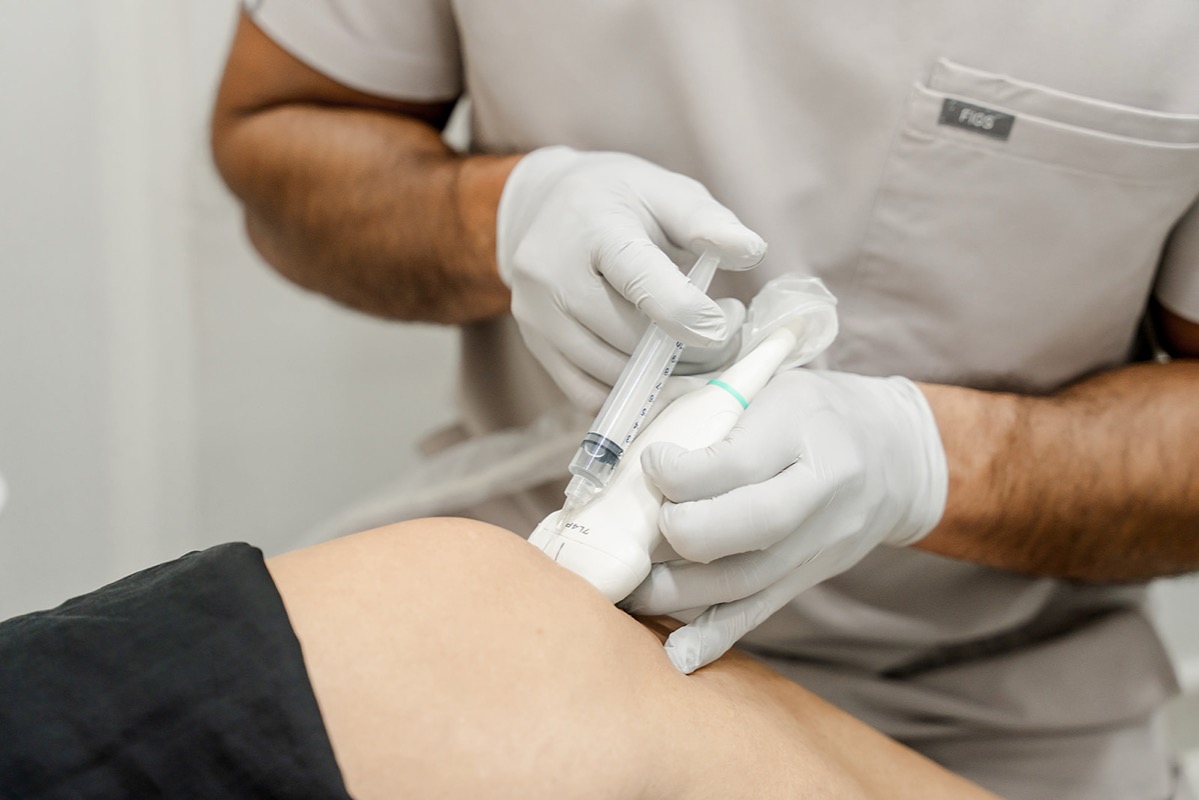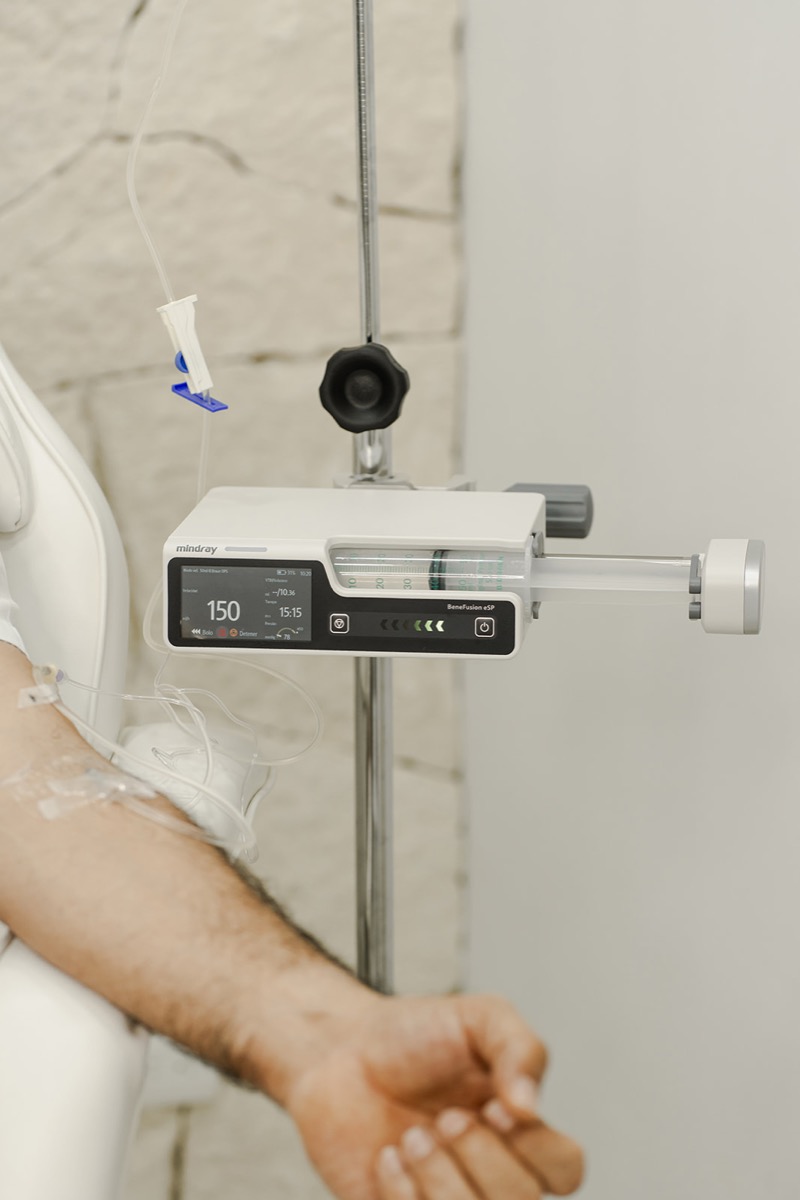


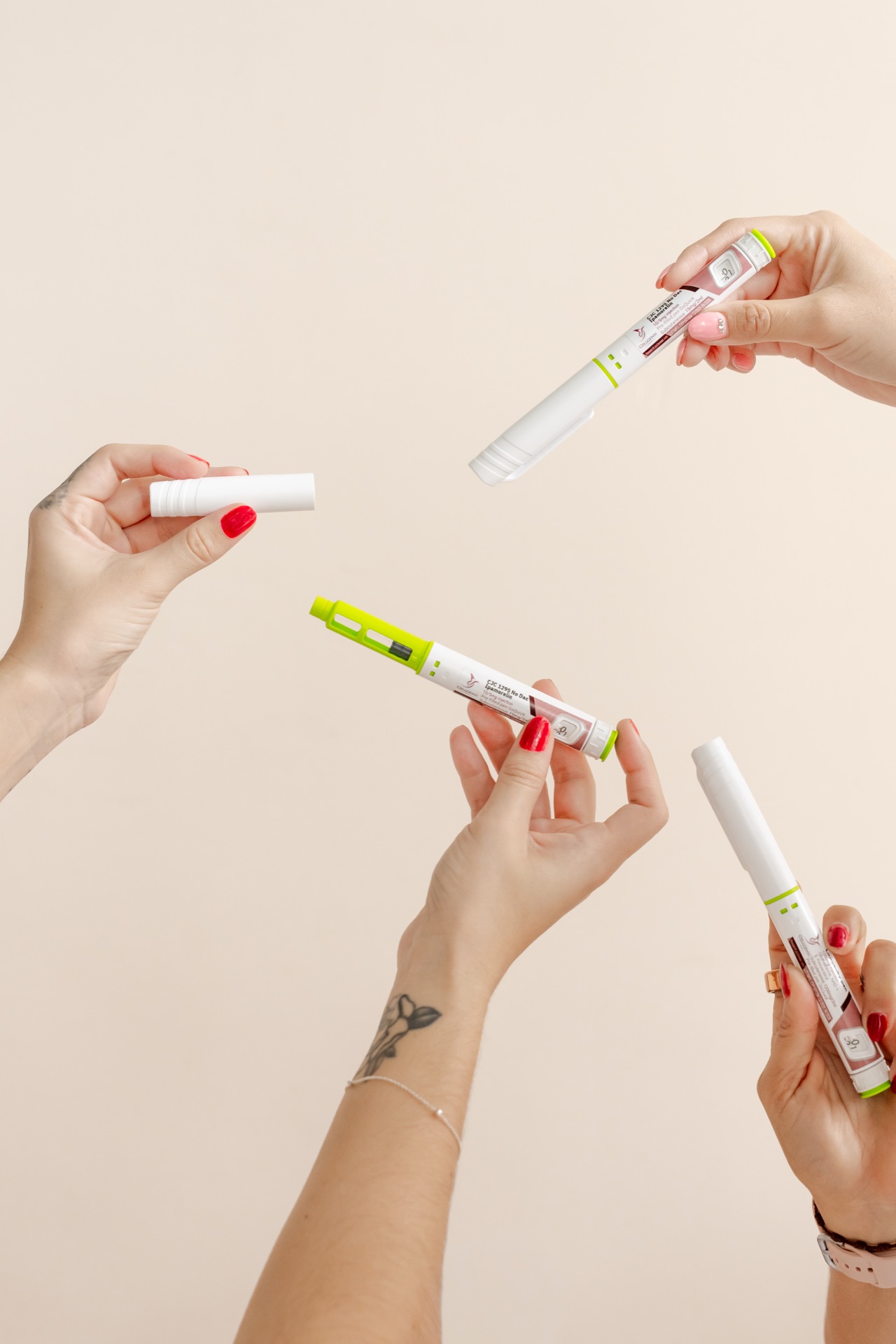
Nerve hydrodissection is an ultrasound-guided procedure that uses a controlled volume of fluid to gently separate a compressed or entrapped peripheral nerve from the surrounding fascia, tendons, scar tissue, or muscle that is squeezing it. When the right indication meets the right operator, it is one of the most elegant interventions in regenerative musculoskeletal medicine — minimally invasive, low-risk, often performed in under thirty minutes, and capable of producing immediate pain and sensory relief that lasts months or, in selected cases, years. At Regeneris Therapy hydrodissection is performed by physicians trained in interventional ultrasound, using dextrose 5%, saline, PRP, or MSC supernatant depending on the indication. It is a specialty technique many clinics in Mexico do not offer. Here is what it actually is and when it is the right next step.
What hydrodissection actually is
Hydrodissection translates literally — 'water dissection' — and is exactly what the word implies. Under real-time ultrasound visualization, a fine-gauge needle is advanced toward a target nerve, and a controlled volume of fluid (usually 5 to 30 mL) is injected slowly into the immediate perineural space. The fluid mechanically separates the nerve from the surrounding tissue that has been compressing it: thickened transverse carpal ligament over the median nerve, scar tissue from previous surgery, hypertrophied muscle, or fibrous bands that have formed after chronic inflammation. The separation is visualized in real time on the ultrasound screen — you can literally see the nerve 'float free' as the fluid creates a cushion around it. The mechanical effect is half the story. The biochemical content of the fluid — dextrose, PRP, MSC supernatant, or exosomes — adds a neuroregenerative signaling layer that supports nerve healing over the following weeks.
Indications: where the evidence is strongest
Hydrodissection has the strongest published evidence and the clearest clinical effect in peripheral nerve entrapment syndromes. The most common indications we treat are carpal tunnel syndrome (median nerve at the wrist, by far the most studied), cubital tunnel syndrome (ulnar nerve at the elbow), meralgia paresthetica (lateral femoral cutaneous nerve at the inguinal ligament), tarsal tunnel syndrome (posterior tibial nerve at the ankle), and occipital neuralgia (greater and lesser occipital nerves at the suboccipital region). Hydrodissection is also useful for post-surgical nerve entrapment — a frustrating complication where scar tissue from a previous operation traps a peripheral nerve and produces neuropathic pain that does not respond to conventional analgesics — and for selected cases of pudendal neuralgia, intercostal neuralgia, and small-fiber neuropathies with focal entrapment. Indications outside these categories are assessed individually and we will tell you honestly if hydrodissection is not the right tool.