NAD+ (nicotinamide adenine dinucleotide) is a coenzyme present in every cell of the body. It is essential for converting food into ATP — the energy currency of the cell — and it serves as a substrate for sirtuins and PARP enzymes that regulate DNA repair, mitochondrial function, and cellular stress response. NAD+ levels decline measurably with age, with chronic disease, with metabolic dysfunction, and with sustained oxidative stress. NAD+ IV therapy at Regeneris Therapy is a physician-supervised infusion of pharmaceutical-grade NAD+ designed to raise circulating levels in patients who have a defined goal — energy, cognition, recovery, longevity-stack integration. We are explicit that NAD+ is not a cure for aging, not a treatment for any specific disease, and not a substitute for sleep, exercise, and nutrition. It is, in the right patient, a measurable metabolic intervention with a real effect profile.
What NAD+ actually is and why levels matter
Every cell in your body runs on ATP, the universal energy currency. ATP is produced through cellular respiration in the mitochondria, and the entire pathway depends on NAD+ as an electron acceptor — without NAD+ in adequate supply, mitochondrial energy production slows, and downstream functions that depend on energy (DNA repair, protein quality control, neurotransmitter synthesis, immune function) slow with it. NAD+ also serves as a required substrate for two enzyme families: sirtuins (SIRT1 through SIRT7), which regulate longevity-related gene expression and mitochondrial biogenesis, and PARP enzymes, which repair DNA damage. When NAD+ is depleted, sirtuins and PARPs cannot do their work effectively, and cellular maintenance suffers. Multiple human and animal studies have documented that NAD+ levels in tissue decline 30 to 50% by age 50 and even more by age 70. This decline is not the whole story of aging, but it is one of the measurable molecular features of it. Raising NAD+ levels by clinical infusion is a way to address this specific lever — see our broader anti-aging hub for context on how NAD+ fits the larger picture.
Why IV instead of oral NMN, NR, or niacinamide
Oral NAD+ precursors — nicotinamide riboside (NR), nicotinamide mononucleotide (NMN), and high-dose niacinamide — are widely sold and have a growing evidence base for raising NAD+ levels modestly when taken consistently. They are a reasonable maintenance strategy and we sometimes recommend them. But there are three reasons IV NAD+ is a different intervention. First, bioavailability: oral NAD+ itself is destroyed in the gut, and even the precursor forms have variable absorption and significant first-pass metabolism that limits how much actually reaches systemic circulation. IV NAD+ bypasses this entirely — the dose you receive is the dose that reaches your bloodstream. Second, plasma kinetics: a clinical IV dose produces an order-of-magnitude higher peak plasma NAD+ than even high oral precursor doses, which translates to acute saturation of NAD+-dependent pathways that oral cannot achieve. Third, clinical use case: for patients who want a defined loading protocol (often 3 to 10 infusions over several weeks), IV gives a predictable and measurable intervention rather than a slow accumulation. We do not claim IV is universally better than oral — we use both in different contexts.
Indications: who actually benefits from NAD+ IV
The honest indications cluster into four areas where we see meaningful clinical effects, distinct from speculative areas where the evidence is thin. First, longevity-oriented patients pursuing a structured optimization program — typically over 40, often combining NAD+ with peptide therapy, IV nutrient support, exercise programming, and sleep optimization. Second, fatigue and brain-fog patients including post-viral recovery (Long COVID), mitochondrial dysfunction syndromes, and chronic fatigue. Many of these patients report meaningful improvements in energy and mental clarity within a structured loading protocol, with effects lasting weeks to months. Third, addiction recovery and mental health adjunct — there is a long-standing clinical literature on NAD+ for cravings and withdrawal in alcohol and substance recovery, used as part of an evidence-based recovery program (not a standalone cure). Fourth, metabolic optimization in patients with insulin resistance, mild type 2 diabetes (in coordination with their endocrinologist), and metabolic syndrome — where the sirtuin pathway and mitochondrial efficiency are directly relevant. We do not market NAD+ as a treatment for cancer, Alzheimer's, Parkinson's, or any specific disease where the clinical evidence is preliminary or absent.
Mechanism: sirtuins, the NAD/NADH ratio, and DNA repair
The biochemistry is precise. NAD+ exists in equilibrium with its reduced form NADH; the ratio between them is a key cellular signal that reflects metabolic state. A high NAD/NADH ratio indicates a well-fueled, low-stress cell; a low ratio indicates metabolic distress or aging. Sirtuins are NAD+-dependent enzymes that respond to this ratio — when NAD+ is abundant, sirtuins activate and drive a coordinated program of mitochondrial biogenesis, improved insulin sensitivity, DNA repair coordination, and downregulation of inflammatory signaling. SIRT1 in particular is involved in regulating circadian rhythm, glucose metabolism, and the cellular response to caloric restriction (which itself raises NAD+). PARP enzymes are the other major NAD+ consumer — they bind to DNA damage and use NAD+ to drive repair. When DNA damage accumulates (oxidative stress, UV, chronic inflammation), PARP activity rises and consumes NAD+, which can leave less available for sirtuins. Raising NAD+ through clinical infusion restores substrate availability for both pathways simultaneously. None of this makes you young again. It does restore one specific molecular lever that declines with age.
Protocols: loading doses, maintenance, and what to expect during infusion
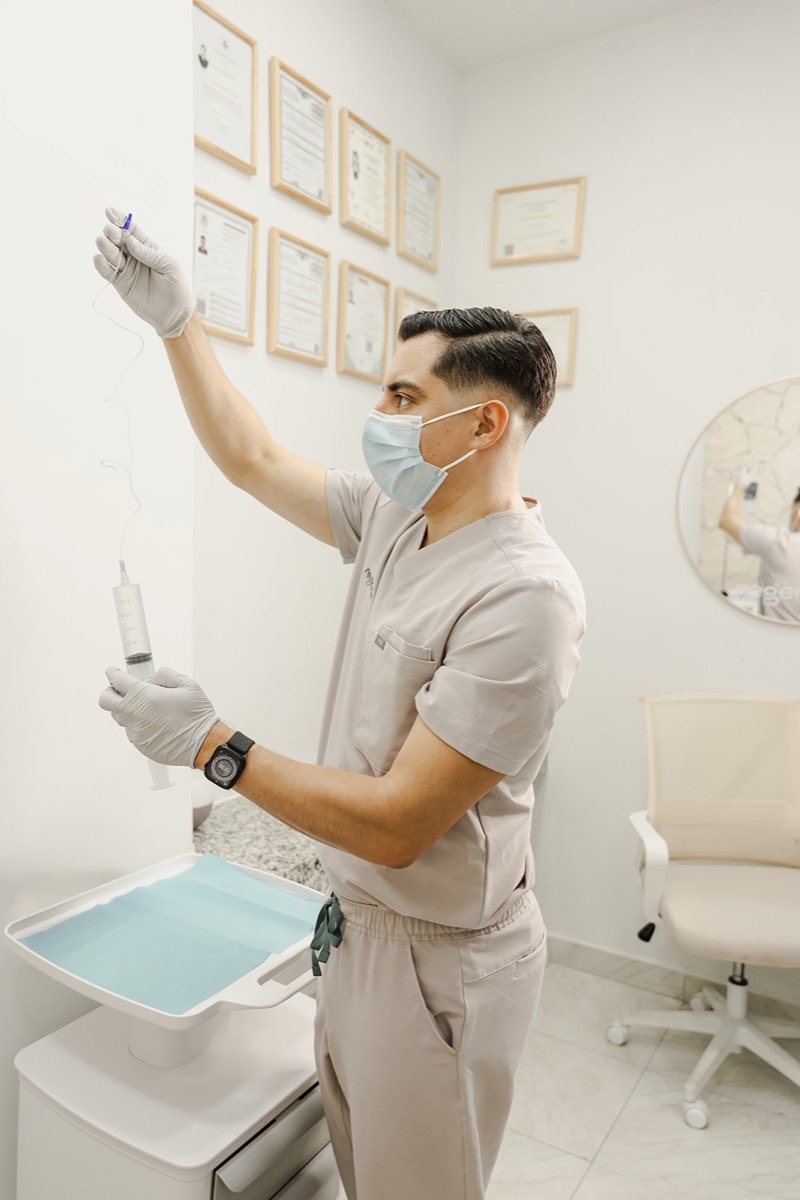
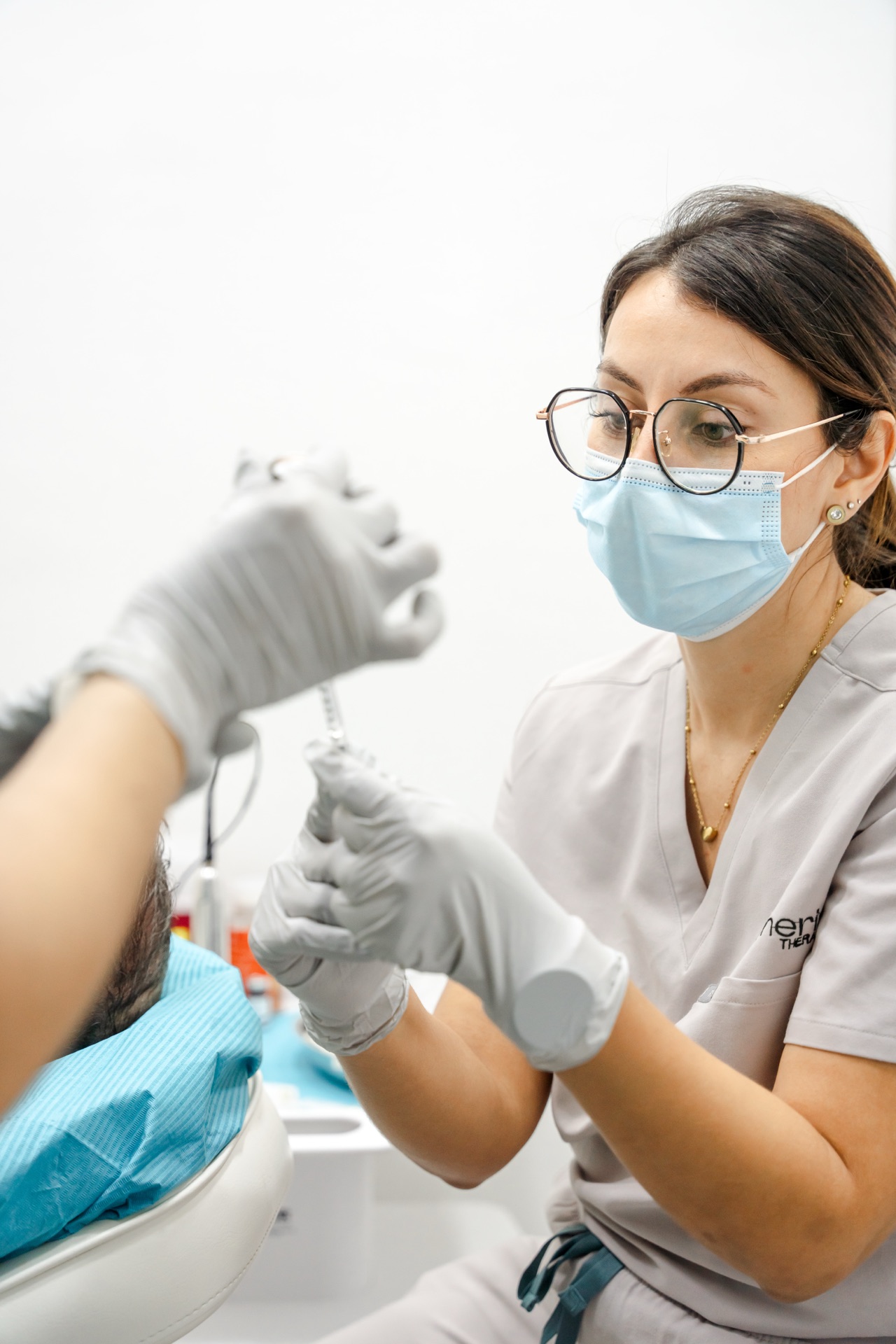
At our Cancún clinic we use two standard protocol shapes. A loading protocol of 500 to 1000 mg NAD+ per session over 5 to 10 sessions, typically spaced 1 to 3 days apart over 2 to 4 weeks, designed to bring plasma and tissue NAD+ to a clinically meaningful peak. After the loading phase, we shift to maintenance: a single 250 to 500 mg session every 4 to 8 weeks for patients who want to sustain effects. The infusion itself runs slow — typically 2 to 4 hours per session — because NAD+ at a rapid drip rate causes the characteristic chest tightness, jaw tension, abdominal cramping, and flushing that most patients describe as 'uncomfortable but tolerable.' Slowing the rate resolves the sensation almost immediately, and we tune the drip to your tolerance throughout the session. We screen for cardiac and renal contraindications before starting, monitor vital signs through the infusion, and pair it with hydration and B-complex support. For the IV mechanics common to all our infusions, see our intravenous therapy page.
Realistic outcomes: what NAD+ does and does not deliver
We will be specific. The most consistent patient reports after a loading protocol are improved sustained energy, better mental clarity and focus, improved sleep quality, faster physical recovery from exercise, and a subjective sense of resilience or 'reserve.' Many of these effects begin during the loading phase, peak in the 2 to 6 weeks following completion, and gradually fade over 2 to 4 months without maintenance. A subset of patients report substantial effects — the kind that change daily energy and cognition meaningfully — and they tend to be the patients with the lowest baseline NAD+ status (post-viral, chronic fatigue, late-50s and older). A subset report modest or no perceptible effect, and we tell those patients honestly that NAD+ may not be the right lever for them. NAD+ does not reverse age-related disease, regrow neurons, cure cancer, or restore organ function. It does not replace stem cell therapy for structural conditions — see our stem cells page. It is one molecular tool among several. The patients who get the most from NAD+ are those who use it as part of a broader plan, not as a standalone.
Combining NAD+ with stem cells, peptides, and the anti-aging stack
NAD+ has natural synergies with the other regenerative tools we offer. Combined with stem cell therapy, NAD+ infusions during the week before and after a cell-based intervention optimize the metabolic environment that determines how well the infused cells signal and how well your own tissue responds. Combined with peptide protocols — particularly growth hormone secretagogues like CJC-1295/Ipamorelin — NAD+ supports the mitochondrial side of the energy and recovery equation that peptides drive on the hormonal side. Combined with sustained oral NMN or NR maintenance, NAD+ IV provides loading peaks while oral provides the daily baseline. Combined with the lifestyle pillars (sleep, exercise, time-restricted eating, sauna, cold exposure), NAD+ amplifies effects you are already creating biologically. We design these stacks individually — what makes sense for a 45-year-old performance executive is different from what makes sense for a 70-year-old recovering from cardiac surgery. Book a regenerative consultation to discuss whether NAD+ fits your overall plan.
If you are considering NAD+ therapy as part of an energy, longevity, or recovery plan, an honest consultation is the right starting point. We will tell you whether NAD+ is the right lever for your goals — and what other tools should sit alongside it.